
Apparently feeding your kids is easy
...as long as you're not the one doing it.


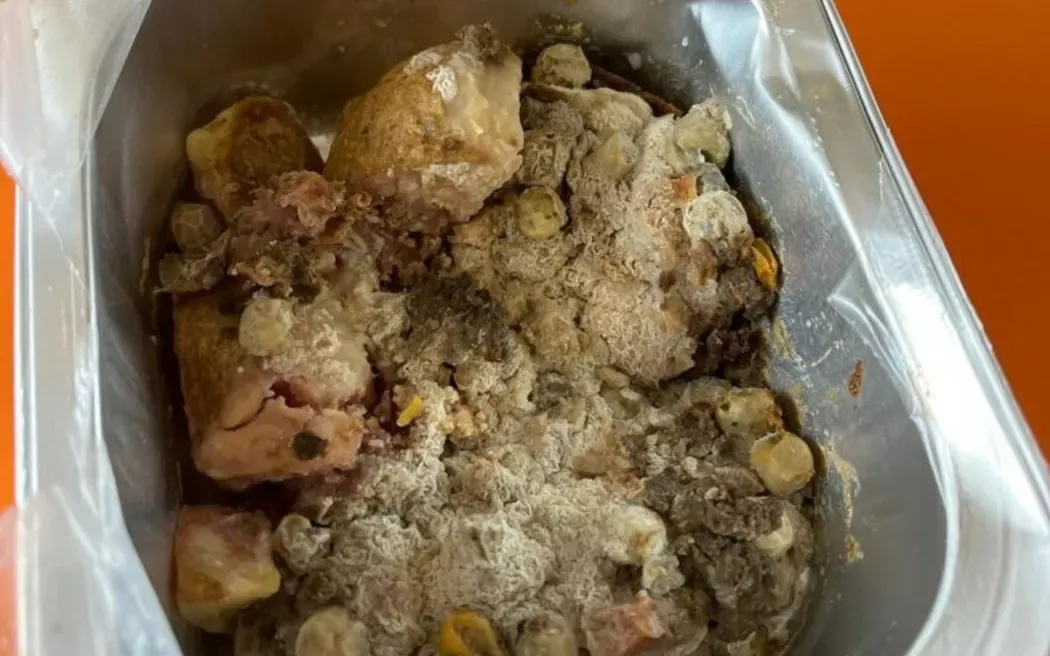
Hi! Josh here. Emily is taking an incredibly well-deserved break this week. She'll be back for Friday Night Chats, so today we have this guest post by writer and mum Helen Gilby. It's an important and incredibly timely piece, given the Endless School Lunch Nightmare is back in the news after "mouldy mince" was fed to children at a Christchurch school, and David Seymour saw fit to attack the principal who stood up for her students as a "media frequent flyer" – a bit rich coming from the frequentest media flyer in the country.
So here's Helen with what's really at stake: our children, their health, and their futures.
Feel free to skip to the comments if you read this already in your email!
Apparently feeding your kids is easy – as long as you're not the one doing it.
by Helen Gilby
Every time the free school lunch programme comes up, the same cast appears.
Sheryl from Stratford will offer her ground-breaking solution of “just make a jam sandwich.” Wayne from Waimate will remind us things were tougher in his day, back when he single-handedly dragged his woolly mammoth to his state-housing provided cave. Angela in Auckland will insist people shouldn’t have kids if they can’t afford them, even though we have a declining birth rate and plenty of parents had children before they were made redundant in one of the harshest periods of job cuts and layoffs we’ve seen in years.
I keep wondering what part of the Matrix these people think they’re plugged into. Because it’s not the one the rest of us are stuck in, where 2025 means a cost-of-living crisis and the highest unemployment rate in a decade. Out here, families are counting dollars, not inventing moral lessons about other people’s grocery lists.
These reactions ignore the reality of 2025. New Zealand is in a cost-of-living crisis. Rent is high, food is expensive, wages have not kept pace, and full-time work no longer guarantees financial security.
Most parents feed their children.
Most parents stretch every dollar they have.
The idea that people are choosing not to feed their kids is simply false.

Free school lunches are not about replacing parents. They are about giving children reliable food when families are under pressure. When the lunches under the previous programme were good, my kids happily ate them, and it made it a little easier to stretch my dollar at the supermarket. That small bit of support helped my budget go further.
The previous school lunch programme reached far beyond any stereotype. It helped working families in every part of the country, including those doing everything right and still struggling to keep up.
Parents who have to rush out the door for early shift starts.
Parents paying most of their income in rent.
Families one unexpected bill away from trouble.
Kids who turn up with light lunchboxes because money is tight that week.
This year has been my hardest financially as a solo mum, even though I am working. Having a decent school lunch waiting for my kids would have made a real difference.
Food prices have climbed again this year. Annual food inflation is sitting at around 4.7 percent, with grocery items up 4.9 percent and basics like meat rising even higher.
These increases land hardest on families who are already stretched.
It feels important to ask when we became so mean-spirited. Nearly everyone is feeling the strain right now. A good school lunch gave thousands of kids a solid meal each day and gave families a small amount of breathing room. It was simple support at a time when people needed it.
It also supported a lot of small businesses and local jobs. Many of the providers were regional companies and businesses, delivery contractors, and commercial kitchens that relied on these contracts to stay afloat. Hard-hit communities saw real benefits from having steady work tied to feeding local kids. Cutting the programme did not just affect students. It removed income from the very towns and households already struggling the most.
There is also the argument about "value for money." Since some people like to remind us they are taxpayers, it is worth noting that the children eating these lunches will soon be taxpayers too. Research shows that kids who are fed and supported do better in education, earn more as adults, and contribute more back into society. If return on investment is what matters, feeding children properly is one of the smartest long-term investments available.
None of this is possible if the programme is underfunded.Three dollars is not enough for a full, safe meal.
That is not efficiency.
It is a cut.
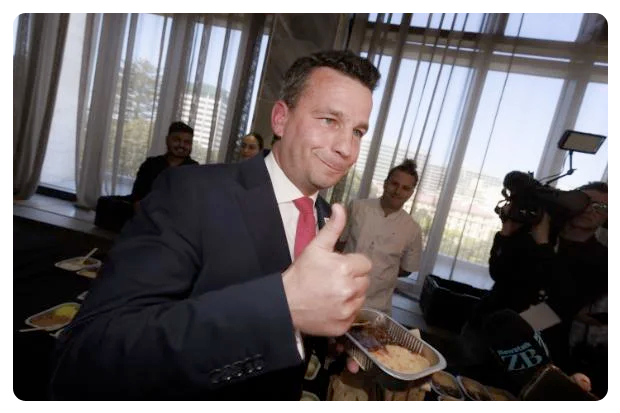
The contrast between expectations for children and expectations for politicians is impossible to ignore. The parliamentary catering budget is not limited to three dollars a meal. No MP is asked to get through long workdays on the cheapest food available at the supermarket.
Only children are told this should be enough.
That difference says plenty about whose wellbeing is prioritised.
The consequences of underfunding became obvious this month. Students at Haeata Community Campus were served rancid mince. Staff described it as furry, rotten, and foul smelling. Some children had already eaten it before anyone realised. The meals were recalled only afterwards.
This was not an unpredictable mistake. It was what happens when costs are pushed down and standards are pushed aside.
Government leadership should have acknowledged the failure and acted quickly. Instead, the deputy Prime Minister said that the Principal is a ‘media frequent flyer.’
Making this comment isn’t offering context – he knows that he is communicating that this shouldn’t be taken seriously. That kind of response is worrying. Pointing out that children were fed unsafe food should be news. It is a basic part of holding power accountable.
Discouraging criticism does not improve services. It creates silence, and silence allows problems to grow. Families under strain need leaders who take responsibility, not leaders who treat scrutiny as a nuisance.
Parents are not asking for perfection.They are asking for meals that are safe, edible, and consistent.They are asking for something that makes the week a little easier.
When free lunches are done well, they support learning, improve attendance, reduce stigma, and ease pressure on households that are already stretched. They do not replace parenting. They recognise that children cannot learn well if they are hungry.
When the lunches are done badly, they become another tool for blaming parents instead of improving the system.
Free school lunches will not end poverty. They can make daily life more manageable. They can help families stay stable. They can ensure children get at least one solid meal a day.
Most families feed their children.
Most families are trying.
What we need is a system that tries too.