
David, do you really know me?
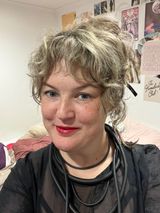
Today, we are hearing from a friend of Emily Writes Weekly, Helen Gilby! Helen has been recovering from major surgery to treat her cancer. Here's an update on how she's doing, and a reaction to David Seymour's latest attacks on 'beneficiaries' of the health system. As always, your subscriptions and donations allow me to pay writers from around the country to share their experiences here.
Arohanui Emily
Feel free to skip to the comments if you read this already in your email!
Dear David,
You don’t know me; we have never even met. But you’ve been talking about my family and me this week.
You’ve been having another crack at beneficiaries again, using your disingenuous stats (read about that here). And you’re trying to tell me that I’m not living up to my potential, like I don’t already know.
You’ve decided that we are all faking our illnesses and the biggest barrier to work is willingness, but there are a lot of us who are here because the health system that you’re currently in charge of is letting us down.
I have a job that's very patiently waiting for me. The health system you're overseeing, however, is doing nothing to help me get back to it. And I’m not the only one.
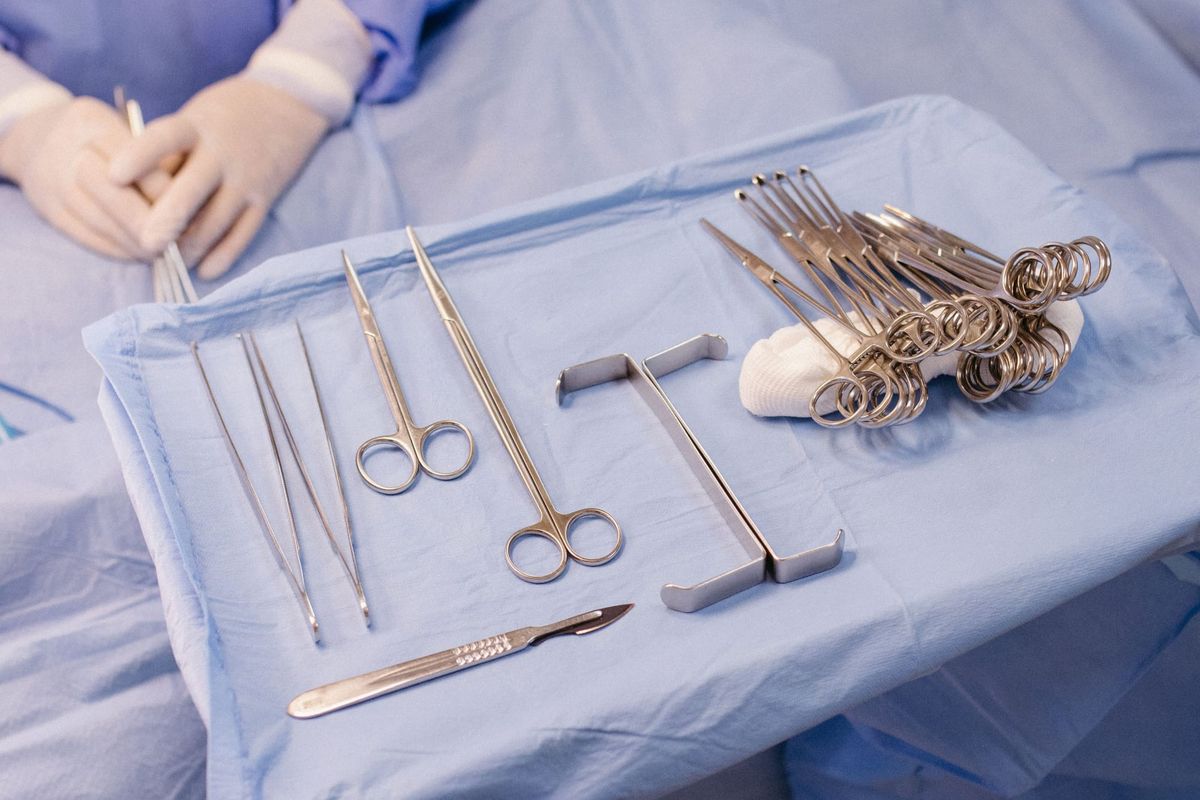
In February, I joined the ranks of thousands of other unlucky New Zealanders and was diagnosed with cancer. Then a complication led to sepsis, five weeks in hospital, and me getting just a little too close to finding out whether we really do get to choose who we haunt after we die.
I eventually left the hospital with a suitcase full of drugs, a discharge summary thick enough to qualify as a novel, and a rented shower chair.
Naively, I thought that would be the point where "the system" stepped in. Because I thought someone might look at a solo mum of two who couldn't stand up long enough to have a shower and conclude she probably needed some support rebuilding her life.
Maybe some kind of rehabilitation plan to help my long-term recovery? Maybe a plan to get me back to work and able to participate in my life again?
Instead, I discovered there is almost nothing. In hospital, all I heard was ‘there is no funding for that’, because I live in an in-between space. My cancer and sepsis were not caused by an accident, and it’s unknown if my disabilities will be lifelong.
There is no rehabilitation programme. No one is checking whether I can safely cook a meal, shower, or parent my children. The assumption seems to be that once I was well enough to leave hospital, I'd somehow figure the rest out myself.
It’s been insinuated that my 10 and 12-year-old children should be able to cook, clean, do the washing and mow the lawns. Any home help I received would be limited to helping me personally, not with the household responsibilities that have inevitably fallen onto my children.
My kids have quietly become my unpaid carers.
They do this because I can't safely lift a lasagne out of the oven. I know because the other day I tried, and it ended up all over the oven door and the kitchen floor. I ended up in bed having a cry. Not just because of the price of the mince that was now on the floor, but because it summed up how hard my life really is right now.
I've had to buy my own compression garments for my damaged arm because they're not funded. I've had to buy mobility aids because no one else will.
I've also found myself looking across the fence at ACC.
Not because I begrudge the support people receive through it. ACC understands that recovery isn't just about surviving an injury. It funds rehabilitation, equipment, home help, allied health, and practical support because the goal is to help people function again.
Two New Zealanders can end up with exactly the same physical limitations, but in this country, their access to support is very different.
One person with injuries from a car crash, the other after cancer, sepsis or a major illness.
One has a coordinated rehabilitation pathway. The other is left trying to navigate a fragmented health system, filling the gaps with savings, family, charities and sheer determination.
Whether you receive meaningful rehabilitation shouldn't come down to a lottery over how your disability happened.
The goal should be the same either way. The goal should be helping people recover as much as they can, return to work if they're able, and live with dignity if they can't.
What I have instead is a collection of specialists, each responsible for one small part of me. My GP does everything he possibly can within an under-resourced primary care system. From a human perspective, that seems unnecessarily cruel, and David, from an economic perspective, it makes absolutely no sense.
We will spend hundreds of thousands of dollars saving someone's life, but balk at spending a fraction of that helping them become independent again.
We seem to accept that surviving should be enough, even if the person who survives can't return to work, can't parent the way they want to, can't participate in their community and will often end up in the benefit system, because they never received the treatment or rehab they need.
Is that efficient, David? Or is it simply moving the cost to a less visible place and hoping for the best?
If you've read this far and would like to support something, please don't send anything to me. Instead, I'd love you to consider making a donation or koha to the NZ Sepsis Trust.
They do extraordinary work advocating for earlier recognition of sepsis, better treatment, and something our health system currently struggles to provide, which is support for the people who survive it.
David, instead of attacking us, why not fix the system you’re in charge of?
Regards, Helen
Share my stuff to your social network of choice!
Donations allow me to pay great writers like Helen to share their stories here. If you can give a koha to the kaupapa, every little bit helps so much.
Thank you!