
Haven’t we already been 'inside' the Manosphere?

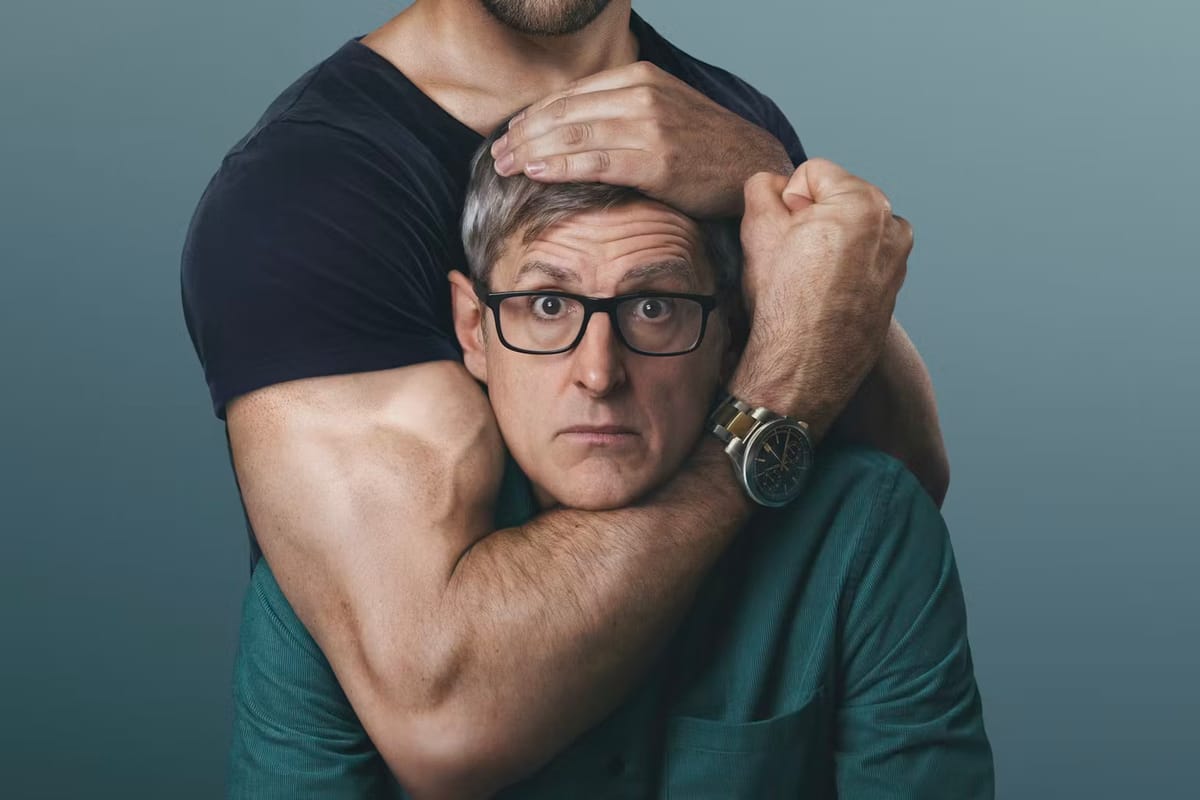
In Louis Theroux's 2025 documentary film The Settlers, Theroux does what he does best. He lets his grotesque subjects show their monstrous views simply by holding back and letting them feel safe enough to share them.
In The Settlers, the mentality of Israeli men and women who believe it's their God-given right to murder and maim in the pursuit of land is on full display.
It works because so many people did not know that this is the heart of the belief system for those who take homes from Palestinians and/or kill their families.
Theroux is going up against billions of dollars of propaganda (known as Hasbara) that has made the majority of those in the West believe Israel is a victim in a hopeless fight against terrorists. He dispels that view simply by letting his subjects speak.
Feel free to skip to the comments if you read this already in your email!
His latest offering, Inside the Manosphere, feels like an example of why this approach sometimes doesn't work.
I kept wondering why, as a long-time Louis Theroux fan, I felt so unmoved by his latest offering on Netflix. I think I'm only now starting to piece together why it made me so uncomfortable.
I just kept thinking - Do we not all already know this?
And if we don't - are we just not listening?
Is it truly a surprise to anyone, in 2026, that there are men who hate women online? Is it any surprise to anyone that they profit from selling this hatred of women?
I can't help but think that it's actually harmful to pretend this is new information. Inside the Manosphere doesn't actually go inside anywhere. And maybe allowing people to believe it does is what annoys me.
Does it let people off the hook?
In his documentary, Louis speaks to men who want to be on Netflix about the views they openly share every day on every available platform.
The idea that, given the opportunity, awful people will incriminate themselves only works if the people involved care about being incriminated. It only works if the 'quiet part said out loud' isn't said out loud everywhere, all the time.
These men have incriminated themselves already on TikTok, Instagram, YouTube, Twitter, Facebook, Discord, Telegraph, and [insert any social media platform].
So what exactly did the documentary achieve? And did it need to achieve anything?
Maybe it's just me, but I can't help but just feel exhausted by endless conversations about 'the manosphere' that go absolutely nowhere. Have we not talked enough?
In this regard, Inside the Manosphere feels like a wasted opportunity. I watched it with my two sons so we could discuss afterwards, but I was left thinking that, really, he just made a bunch of terrible people even more famous than they were.
My 13-year-old remarked that he wished they'd talk about what it's like to go to school with boys who love these men. What was missing throughout the documentary was the real-world repercussions for children who are the targets of these men.
My teenage boy and yours are the targets of these men. Yet we don't see the reality of refusal to buy into these misogynist ideas that are already mainstream. Instead, we have simply centred men who are so used to being centred.
I worry that all Inside the Manosphere has done is make people feel like they did something by exposing themselves to the hateful views of these men.
What comes next?
Because it achieves next to nothing just sitting back after watching and saying, "Well, that was horrible!"
If you can't recognise that Uncle Steve says the same thing - he just doesn't have a TikTok - did anything really change?
This is where I'd love the discussion (if there is one) to head toward.
If we can’t recognise misogyny, homophobia and transphobia and attacks on empathy - from our fathers, uncles, brothers and cousins, to our bosses, colleagues, and favourite podcaster or political analyst - how do we combat it?
It's not enough to just say it's all awful. We know that. It's not enough to say you didn't know - if you're online, I simply don't believe you've made it to 2026 without seeing misogyny online.
So, I keep returning to: What next?
If you shake your head and say they're awful, but they're not like your son or brother or father. Can you be sure?
And I get it, I do, you don't want to think about all this and 'I can't change it anyway' is the mantra of many at this particularly grim juncture. But....If we can't stop them - ignoring them isn't the answer. So what is?
If watching Inside the Manosphere didn't lead to conversations with your children, family, and friends that talked about the real-world ways we're going to combat misogyny, then what was it for?
I’d love to know how have you been approaching conversations with your loved ones about all of this.
Questions to ask your boys about the Manosphere
I am not very into gender binaries, but I recognise parenting within the system we're in is shaped by gender dynamics, regardless of whether I agree with those dynamics. I also feel alarmed that many parents leave discussions about safety and misogyny for their girls, not their boys. How many of us have heard "I'm glad I have boys, so I don't have to deal with that"? Awful! Hence, this list....
- What does being a boy mean to you? What does being a good man mean to you?
- Why do you think that? Who do you look up to and why?
- What do you think these men are selling you? How do you think they benefit from your attention?
- What is empathy? Why do you think people are labelling empathy as a negative?
- What content do you like online? Why do you like it? How does it make you feel after watching?
- Do you think you hear examples of misogyny, sexism and homophobia at school? Where do you think those ideas are coming from? Do you disagree or agree with what is said at school?
- Have you heard hateful things about women and queer people by people you look up to? How did that make you feel?
Donations have been a game-changer since I switched to Ghost. If you can give a koha to the kaupapa, every little bit helps so much.
Thank you!