
How do we protect our children from toxic masculinity in sport?

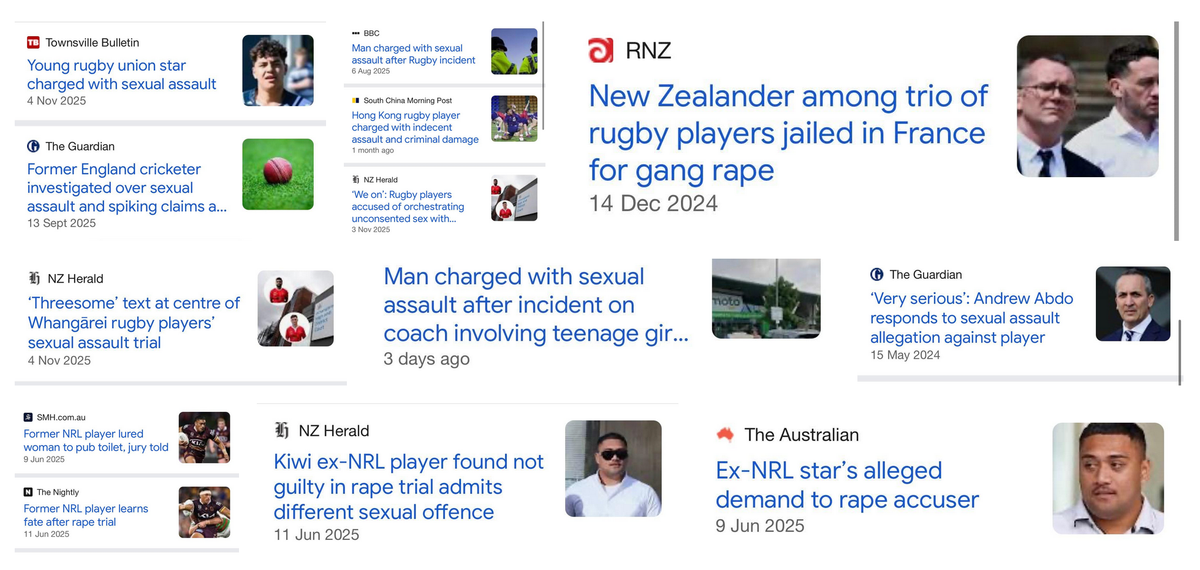
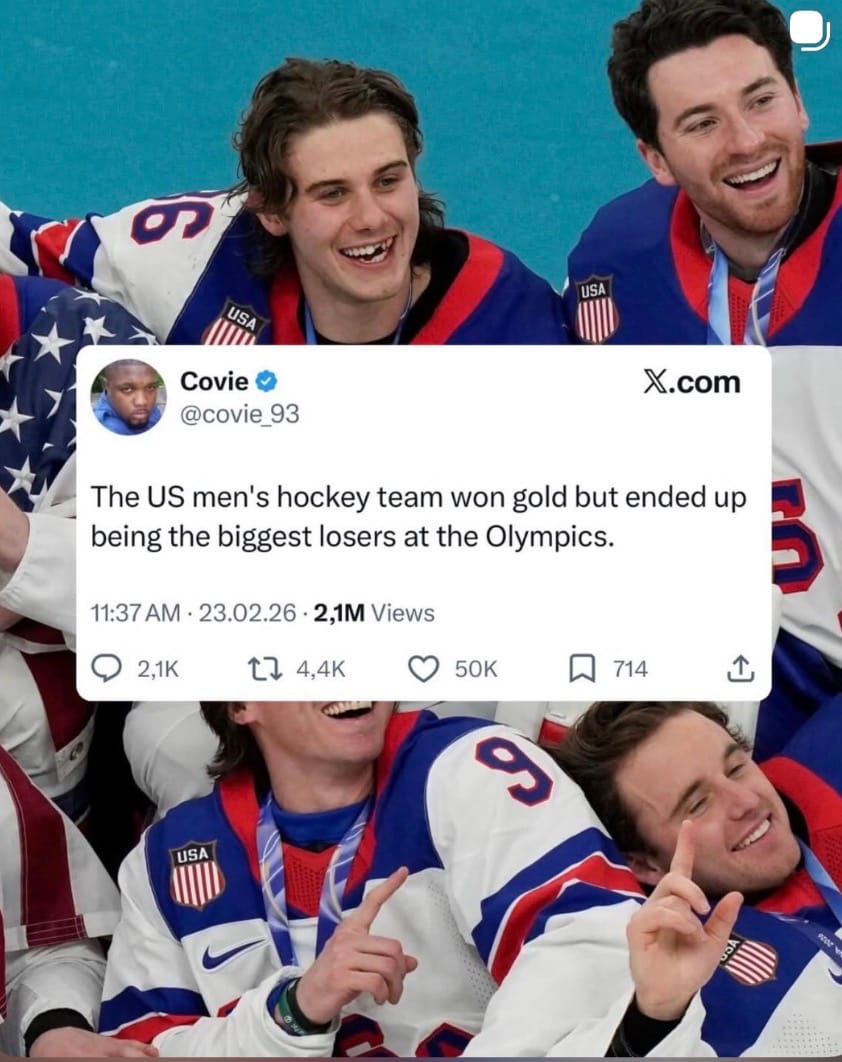
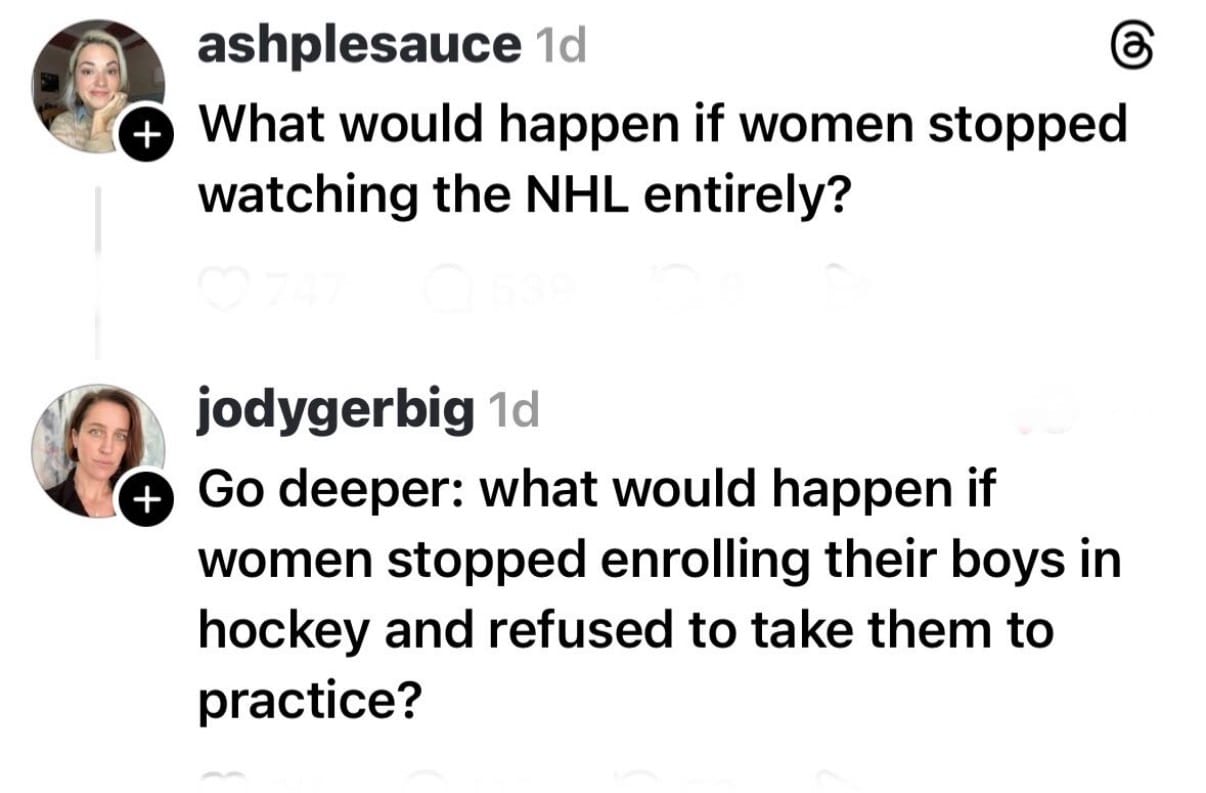
The clip of the USA Men's hockey team yukking it up on the phone with a rapist perfectly encapsulates how men keep kneecapping themselves with toxic masculinity.
The USA men's team had just won gold! Ice hockey has been gaining fans internationally! A huge, untapped audience suddenly appeared thanks to Heated Rivalry (a book and show written by a queer woman hockey fan).
Feel free to skip to the comments if you read this already in your email!
All these men had to do was remember they're paid to be role models and be gracious. They needed to hide the misogyny just long enough to build on this newfound (unearned) goodwill.
Alas, toxic masculinity is, well... toxic. It's like sludge. You can't hide it; it always finds a way to foul a room.
People keep asking why they couldn't meet this moment. Why were they so short-sighted that they effortlessly squandered so much good PR?
As someone who grew up and spent their early teenage years around professional sportsmen, I can tell you that it was a matter of when, not if.
Toxic masculinity lives in team sports at a national level. The NHL has given us a perfect example of this.
They landed excellent PR from Heated Rivalry – a show beloved by women – because of its lack of misogyny. Yet, the reality of the sport intruded because misogyny might be acceptable, but it's not easily hidden.
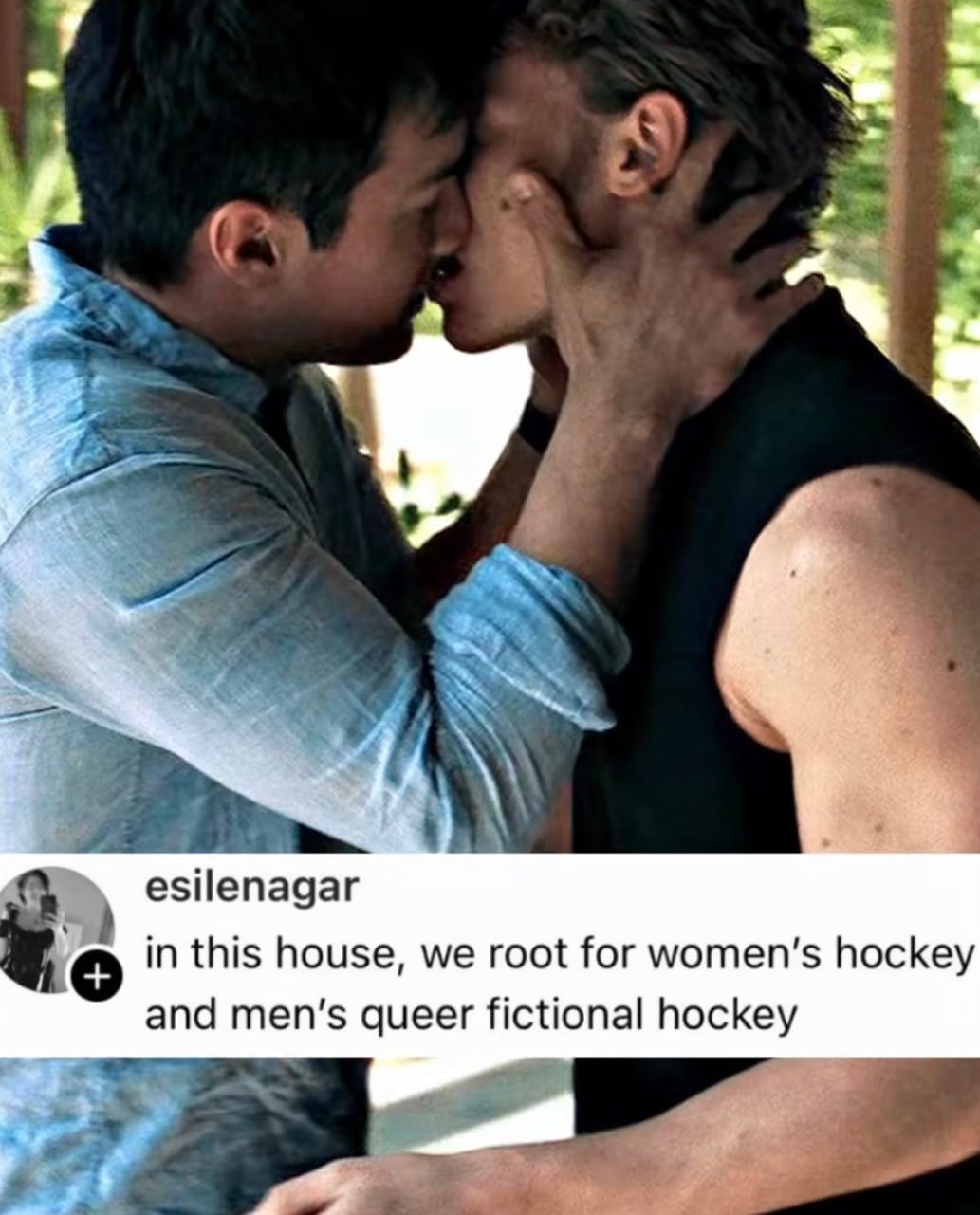
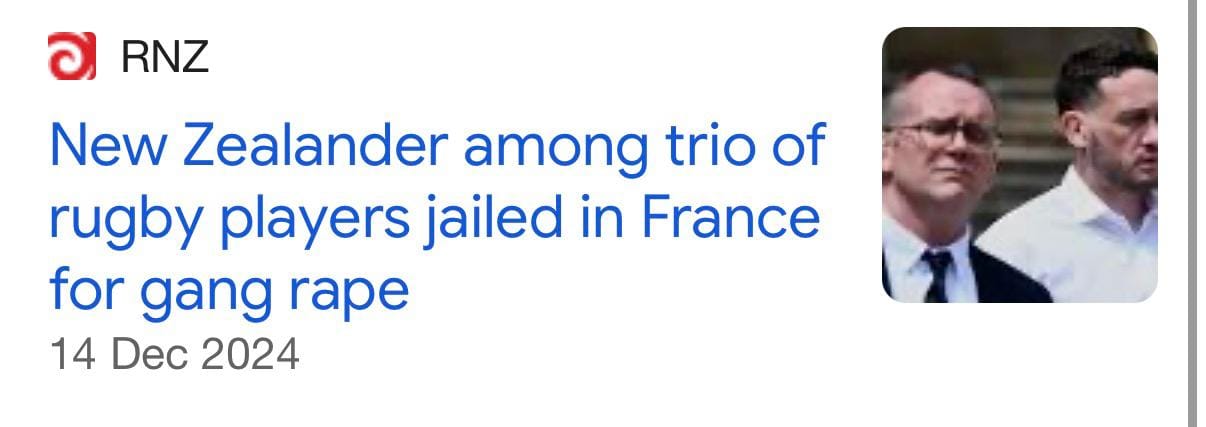
A few years ago, multiple NHL players refused to participate in a Pride night in recognition of the queer community. It was such a scandal that the NHL, instead of addressing it, just banned themed jerseys. There have been multiple group rape cases in the NHL - from players raping women in groups, to coaches who are convicted sex offenders, raping players.
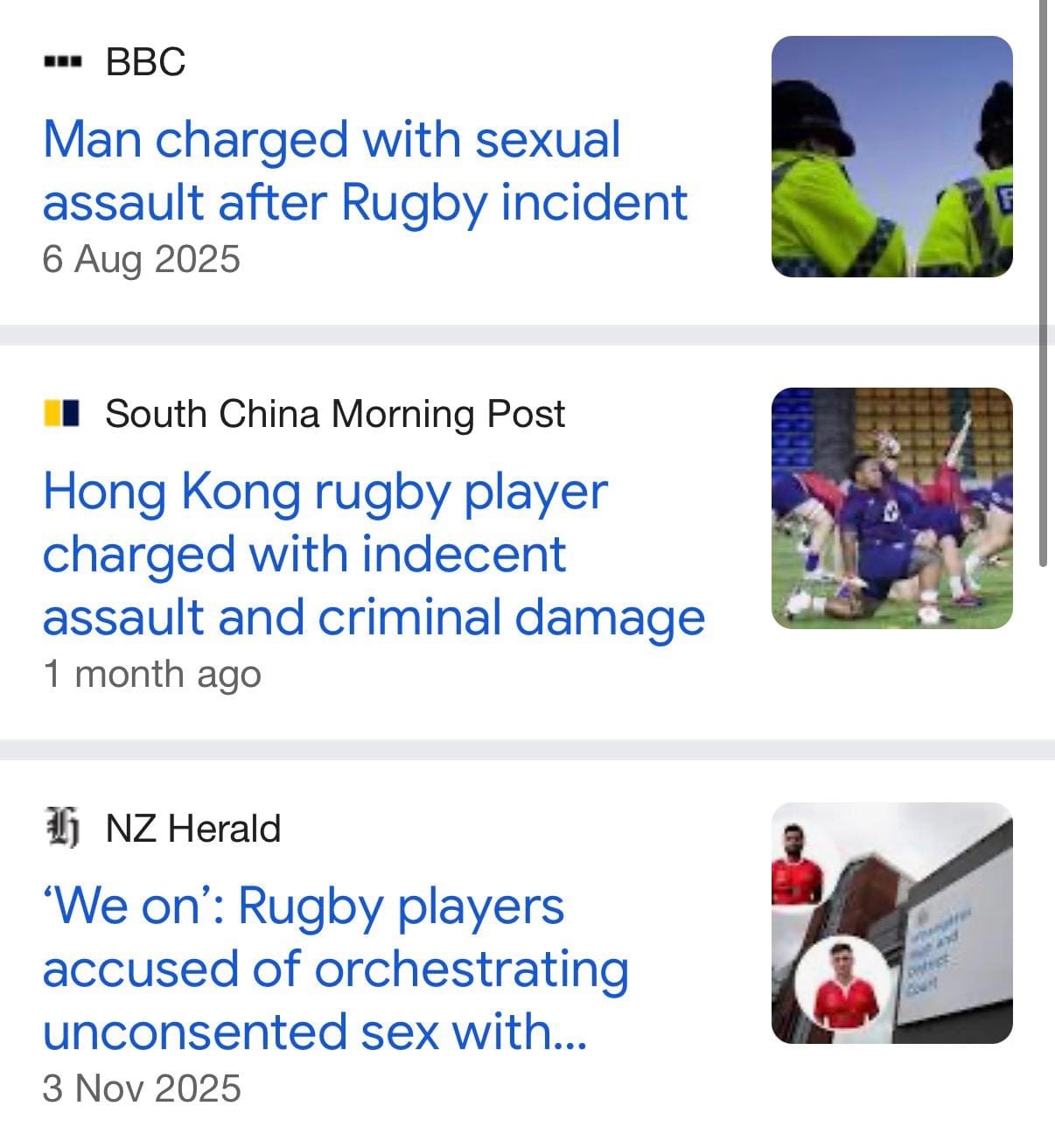
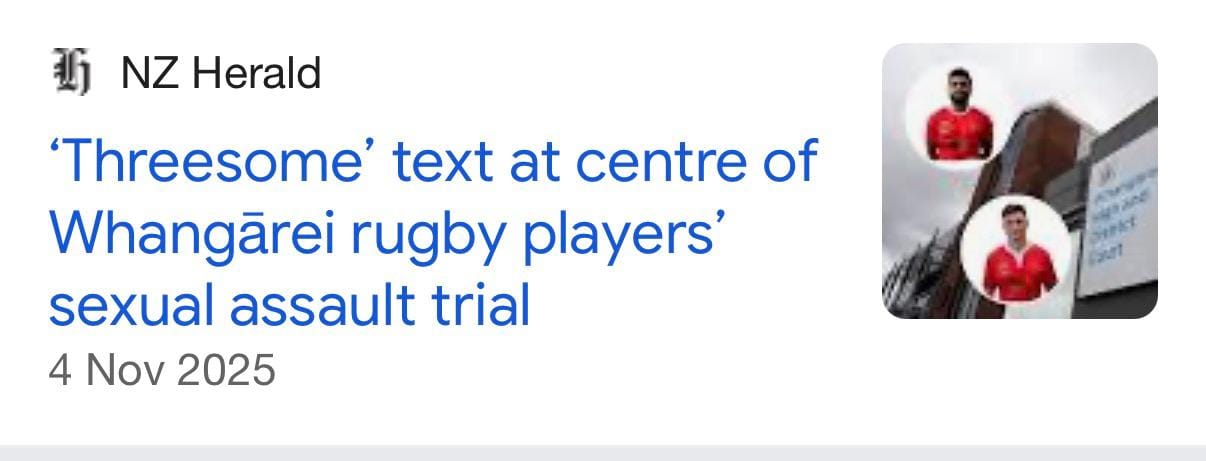
Hockey might not be much of a thing in Aotearoa, but we've seen the same horrors here, particularly in rugby league.
The professional sports players I was around - including people from both rugby codes - as a tween and teen are the reason why I would never allow my children (or any children I'm responsible for) to be alone around professional sports players.
No, they weren't all bad. But I'm not going to drink a glass of water if it only has a bit of piss in it.
Violence is a part of hockey in the same way it's a part of rugby league and rugby union. It's the 'hard men, in hard sports' trope. In Aotearoa and Australia, the inherent violence in these sports is ignored at best, and celebrated at worst.
These sports are considered to be for men. But my earliest memories of being in a crowd are at rugby games. I remember painstakingly writing 'Go The Doggies' on a top to wear to the 1998 grand final between the Canterbury Bulldogs and the Brisbane Broncos. I remember seeing the very first Warriors game, hundreds of games cheering on the Sea Eagles... Family lore is that I was born during the State of Origin. I feel like I supported the All Blacks from birth. We were a rugby family.
I have loved professional sport, but as a girl, and then as a woman, I feel that it has never loved me. I fell out of love with the sport after seeing its rotten core.
My father has always worked in professional sport, and, now as a grandfather, he, too, has fallen out of love with it. He's interrogated the toxic masculinity he absorbed and wondered how it impacted the lives of his children.
The main impact for me is that before I even became a mother I knew I would not allow my sons to play rugby and rugby league or any other sport in which team bonding involves the denigration of women. Seeing how men in professional sport talked about women - from their long-suffering wives, to the women they cheated on them with, to even the daughters and granddaughters of other players and staff - it changed my view of sport.
Research out of the University of Waikato found neglect and physical, psychological and sexual violence are common at all levels of sport for women, men and children.
One study of 1,665 elite athletes in Germany, the Netherlands and Belgium found extremely high rates of reported physical violence (25%), sexual violence (31%) and psychological or emotional violence (72%).
Sportswomen were found to experience abuse more than men, particularly sexual violence. An Australian study found 82% of 886 people surveyed had experienced some form of interpersonal violence in sport as a child. Rates were higher among girls and gender-diverse individuals.
Our national game - and other hyper-masculine team sports - have a hierarchical, patriarchal and “win at all costs” sporting culture that can be very dangerous for people of all genders.





It's my role to protect my sons and help them learn about their place in the world. As young men, they know what The Patriarchy is. They know what misogyny is. They know what toxic masculinity is.
They also know what healthy masculinity is. We are meticulous about the type of men we allow around our children. We have a one-strike rule.
We have ensured that the men who walked through our front door were not misogynists. As such, our sons don't hear sexist jokes - so they call them out when they do hear them. They're not soaked in it, thinking it's normal.
They don't hear any uncles calling their wives slurs. If our friends have boyfriends or husbands who are misogynists, they are excluded from our home. We won't allow any men around who will make our sons feel they have a right to treat their friends who are girls or gender diverse as less than.
Some might think this is overkill. But I know what it's like to grow up in environments where I felt sexualised before I even had my first period. I know what it's like to feel the hot, sickly bile rising in my throat when I hear misogynist jokes and look, I'm a woman online - you know the comments and messages I'm sent daily.
This is my response to that - right or wrong, it's how I'm trying to navigate this.
Donations have been a game-changer since I switched to Ghost. If you can give a koha to the kaupapa, every little bit helps so much.
Thank you!
I care deeply about the world my sons live in, and I believe it's my job to protect all children. I don't want my boys to ever inflict harm on girls and children who are gender diverse. And they're in a world that won't necessarily punish them if they do. So I'm on that shit. I am vigilant.
I'm breaking that cycle, and my husband is too. And when I see clips from professional sports that make me feel like hope is lost, I remember that.
There are many people who play professional sport, or who are involved in professional sport in some way, who are fighting to make these environments safer. And I'm so grateful to them.
I hope for change, but until then, I focus on what I can do to protect my children. And part of that is avoiding spaces I know won't be healthy for them, and supporting those who are trying to make those spaces safe.
I remind myself that it's never too late to start pushing back against this toxicity in sport.