
On living longer after loss than before it
An extraordinary guest piece by writer Helen Gilby

Hi, Josh here. Emily is away for a family commitment, so this week we are running a couple of guest pieces.
Feel free to skip to the comments if you read this already in your email!
This one is by writer and mum Helen Gilby, and I don't want to say too much apart from that it is extraordinary and deserves every bit of your attention.
In 2018, partway through a long-planned trip to visit family in the UK, Helen's husband Simon suddenly passed away.
The following is Helen's reflection on what happened next.
On living longer after loss than before it
by Helen Gilby
This year marks a strange and quiet milestone in my life, one that has taken me by surprise even though the calendar insists it is true. I have now been a widow longer than I was a wife, and I have parented on my own for longer than I parented as part of a couple.
The fact of it lands in my body more than my mind, as though the maths should not work, as though time itself has bent around the truth of what happened.
What surprises me most is not the passing of years, but that I am still here inside them. Still living, still growing, still building a life that contains warmth and connection and love, while also carrying the pain of what was lost. For a long time, I did not believe those two things could coexist. I thought survival would mean a kind of emotional flattening, a permanent narrowing of life. I could not imagine expansion of any kind.
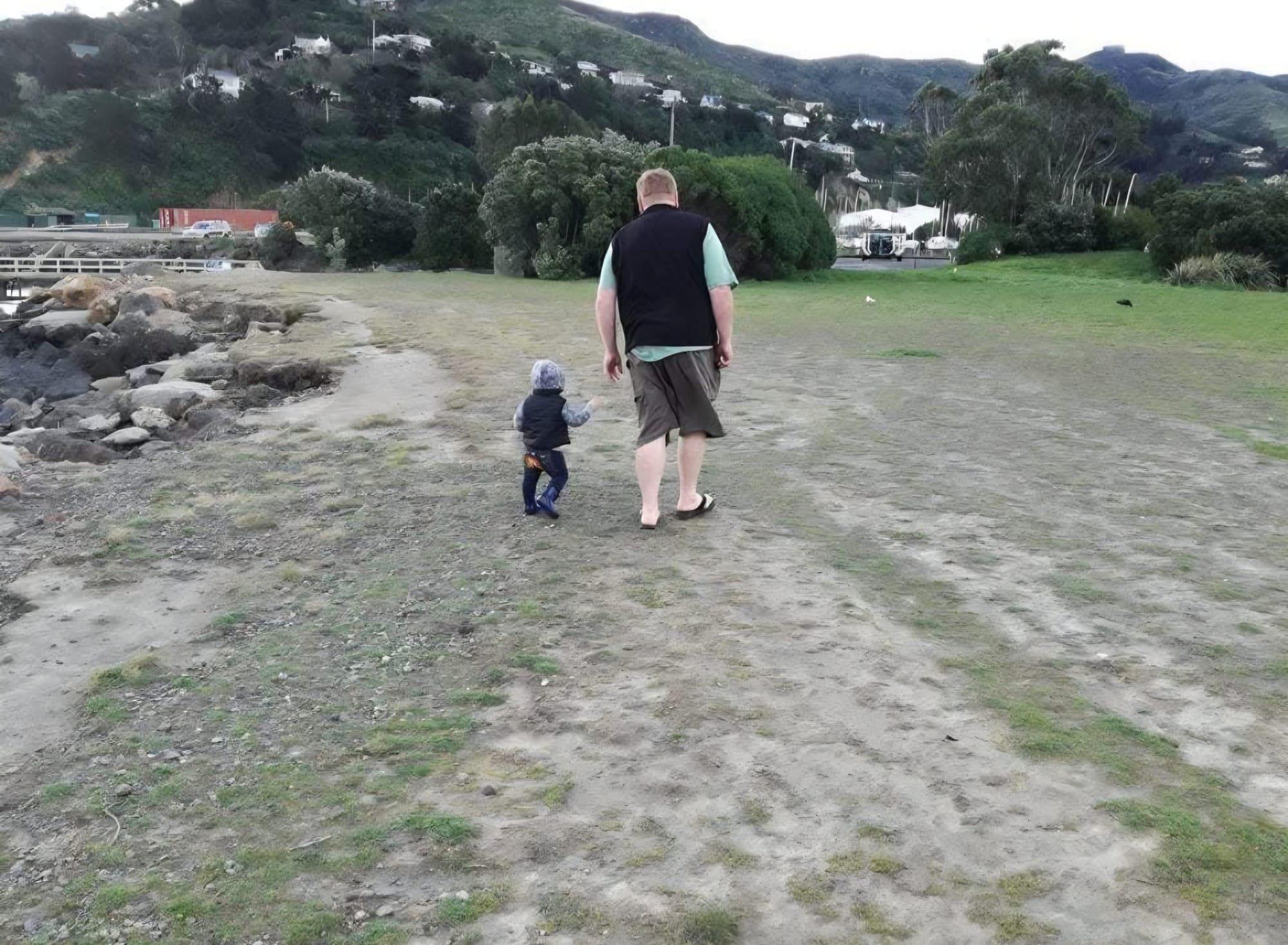
In the very immediate hours after my husband died, I was trying to comfort two very young children, four years old and twenty-two months, in a foreign country, in a hotel I did not even know the name of. I was in shock, overwhelmed by a level of pain that did not seem survivable. It felt incomprehensible that I could witness the unsuccessful resuscitation of the love of my life and then continue to exist in my own body, still breathing, still upright.
I remember thinking with absolute clarity that people do not survive this. Not emotionally, but physically. Surely the human nervous system has limits. Surely something gives. Surely the body cannot hold this much and keep going.
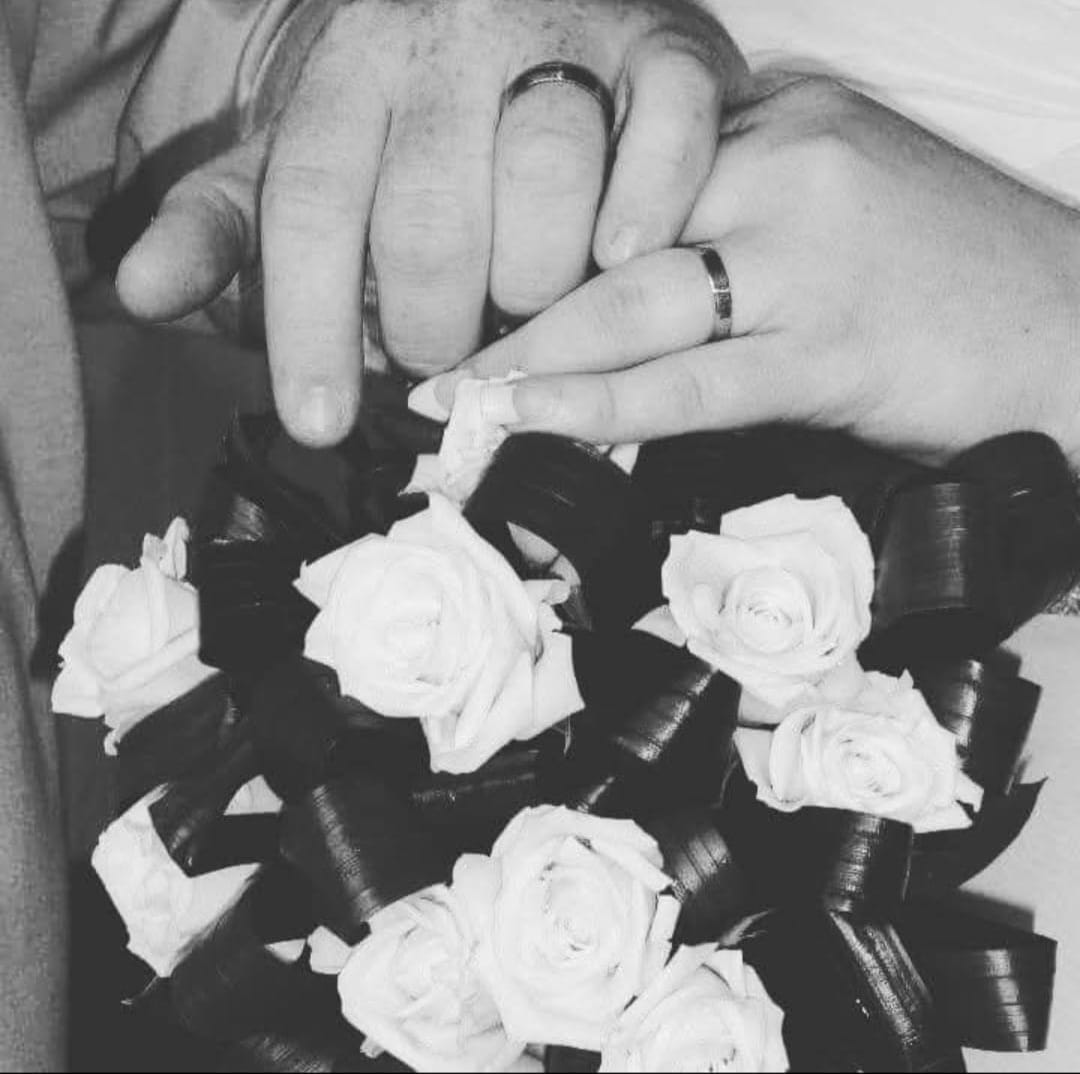
One of the things I did not understand about grief before I was inside it was how profoundly physical it is. My heart and soul felt like a raw wound, uncovered, every nerve ending exposed to the air. His loss felt like a vice around my chest, making it hard to breathe, to move, to think. Even language felt too heavy to lift, as though words themselves were an additional burden.
I was sitting on the ground with my children, who were fractious in the way only frightened, overtired children can be. My eldest swung between crying for her dad and then asking to go outside to the hotel playground. It was the saddest playground I have ever seen. A few swings. A slide. Sun-bleached plastic. Somehow it made the whole moment feel even more dystopian, more surreal, more disconnected from reality.
I could not breathe properly. My head felt like it might explode. The dry Dubai heat was already unbearable, even though it was only seven in the morning. And yet, because I was a mother, I went outside.
I sometimes still dream about that playground. In the dream, I am sitting on the wooden edge, uncomfortable and hot, with sand falling into my shoes. I feel the weight of crushing loss pressing down on my chest. In the distance, I see him standing on the far side of the playground. No matter how much I call out, or how hard I try to walk towards him, I never reach him. He cannot hear me. I can see him, but I cannot get back to him.
That dream does not come as often now, but it still visits.
What I could not see then was that survival does not arrive as a single, heroic act. It comes in fragments, in minutes, in small and almost invisible decisions. You survive the next hour, and then the next. You survive because your children need water, or breakfast, or a nappy change. You survive because the body keeps breathing even when the mind cannot imagine a future.
What also surprised me, in those earliest and most fragile moments, was the way support arrived. It did not always come from where I expected, and it did not arrive loudly or dramatically. Sometimes it came from people I barely knew. Sometimes it came from those who did not try to fix anything at all.
Support showed up as quiet messages that did not demand replies, as practical help that did not require explanation, as people who sat with me without asking me to be brave, hopeful, or strong. Others stepped in and held the edges of my life when I could not, taking care of details I had no capacity to manage. They did not ask me to perform resilience or find meaning. They simply helped me stay upright.
There is something profoundly steadying about being met like that, about being allowed to be shattered without being managed or reassured out of it. In those moments, I was not being saved. I was being accompanied. At the time, I did not have the words for how much that mattered, but I feel it clearly now.Over time, something shifted. Not the loss itself, which remains, but my relationship to it. The raw wound began to scar. The pain changed shape. It became less sharp and less consuming, though no less real. I learned how to carry it alongside other things, rather than being entirely submerged by it.
Somewhere along the way, life began to grow again.
Not because I was strong or resilient or extraordinary, but because love still existed. My children still loved me. I still loved them. Other people kept showing up, sometimes quietly, sometimes imperfectly, but consistently enough to remind me that I was not alone.
I have learned that grief is not a straight line, and it is certainly not something you move on from. It is something you learn to carry, sometimes clumsily, sometimes with grace, and sometimes with deep resentment that this is now part of your story at all. Living alongside grief does not mean a diminished life. It means a more honest one. One where joy is sharper because you know how fragile it is, and love is deeper because you know what it costs.
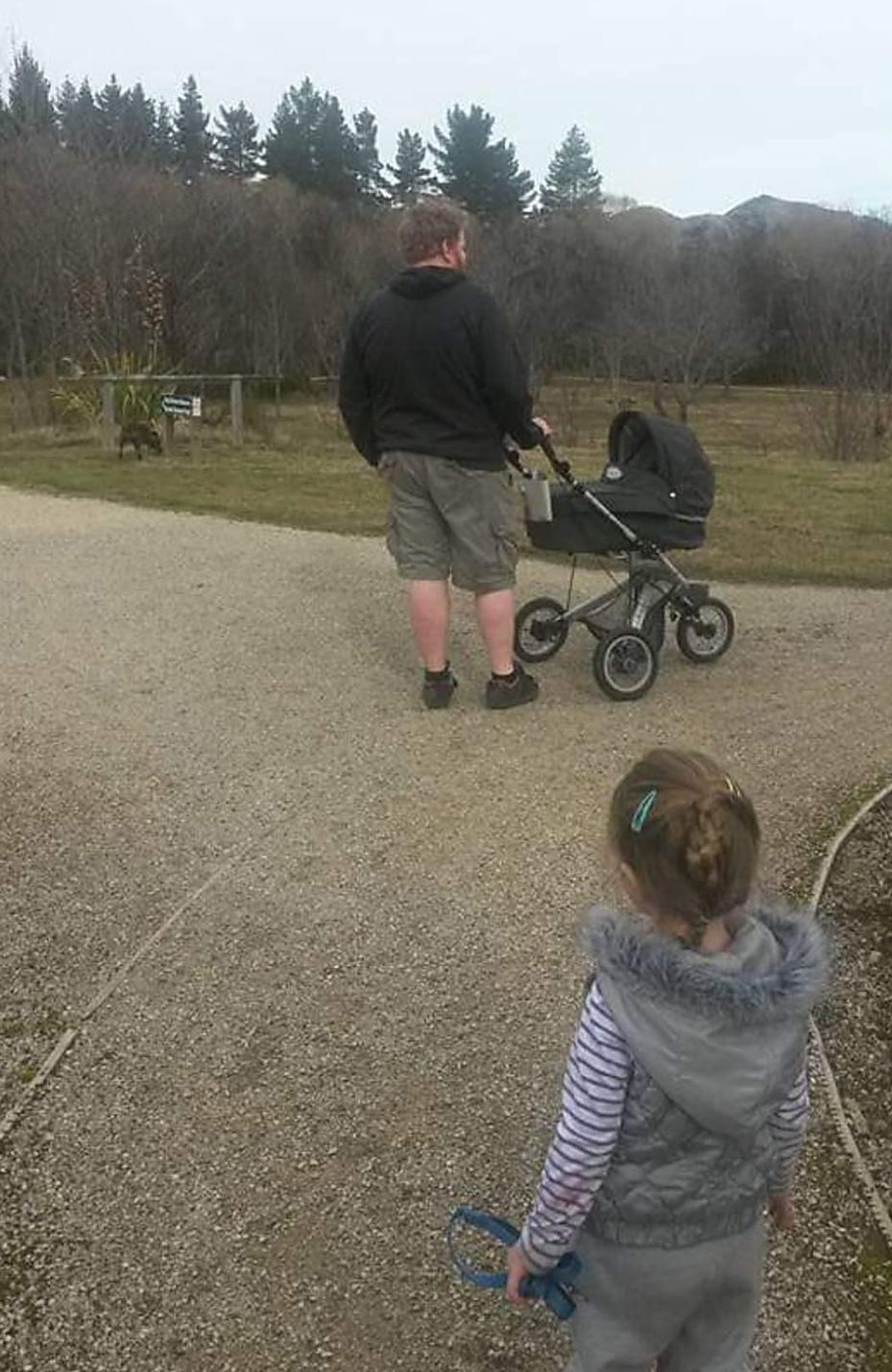
Reaching this milestone, living longer without him than with him, has stirred something complex in me. There is gratitude, sadness, and disbelief that time keeps passing, that my children keep growing, and that I keep changing. I am not the person I was before he died, and I do not think that person exists any more. But I am also not only defined by loss.
I am a mother who stayed, a woman who kept going, and a person who learned, slowly and imperfectly, how to live in a world that broke open and never fully closed again.
And somehow, impossibly, there is still love here.
If this piece resonated with you, please consider leaving a donation or koha for Helen. All donations made with this button will go directly to her via her Ko-Fi account.
Josh again. I just wanted to say that your paid support for Emily Writes Weekly enables astonishing guest pieces like that one, as it means Emily is able to pay writers (above mainstream market rates!) If you want to support New Zealand writers and the other work that Emily and the EWW community does, please consider making a paid subscription to Emily Writes Weekly today.