
The Rhythm of Belonging

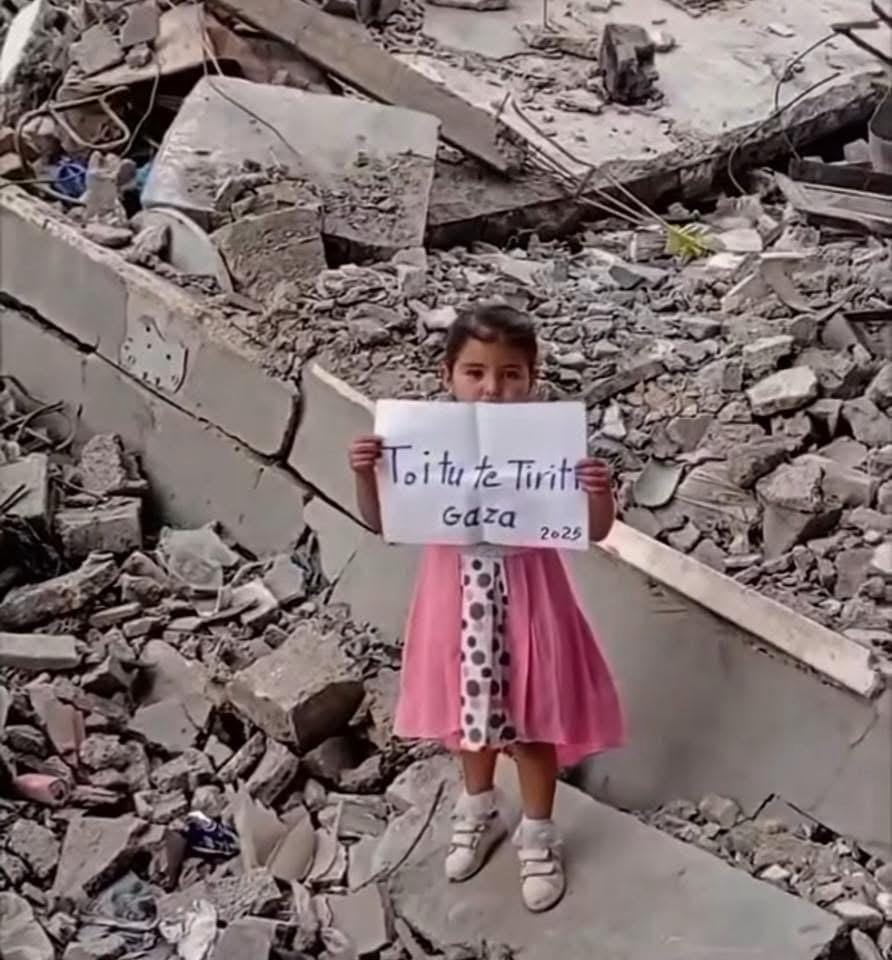
For two years now, my friends in Gaza and I have shared photos and videos of our children with each other. The difference is obviously stark. Here is my child doing kapa haka at an awards ceremony. There is their child filling water in a container and walking through flooded tents.
Often they share images of what life was like before Israel began their genocide. They share images of their child wearing sports medals and holding trophies, a first ride on a bike, their baby's first steps in a beautiful home..
The before. And the after. We connect as many adults do through our love and pride in our children. But also, in learning from each other. My friends in Gaza love to see Kapa Haka performances by my son, they love to learn Te Reo as I love learn about Ramadan or how Christmas is celebrated in Gaza. They share recipes with me of meals they cannot make due to Israel's blockade of food. They share the birthdays and weddings that still happen in the remains of buildings - a testament to the hope and resilience and tenacity of Palestine and Palestinians.
My friend Dr Malaka who writes often for us wrote this piece about our cultural connections and I'm so grateful to be able to share it with you. I'm proud that our community is one of the only media platforms that pays for and publishes journalism from Palestinians in Gaza.
Aotearoa and Palestine are forever connected. These are our brothers and sisters. And I'm proud to share this beautiful essay.
The Rhythm of Belonging: Fifty Years of Land Day and the Global Māori Soul
By Dr. Jehad Malaka
Today (in Gaza) marks a profound milestone in our history: the fiftieth anniversary of Palestinian Land Day. For half a century, the spirit of March 30, 1976, has lived within us, not as a fading memory, but as a burning flame of defiance.
As we commemorate fifty years of steadfastness on our ancestral soil, we realise that our struggle is not solitary; it is echoed in the hearts of indigenous peoples across the globe who share our sacred bond with the earth.
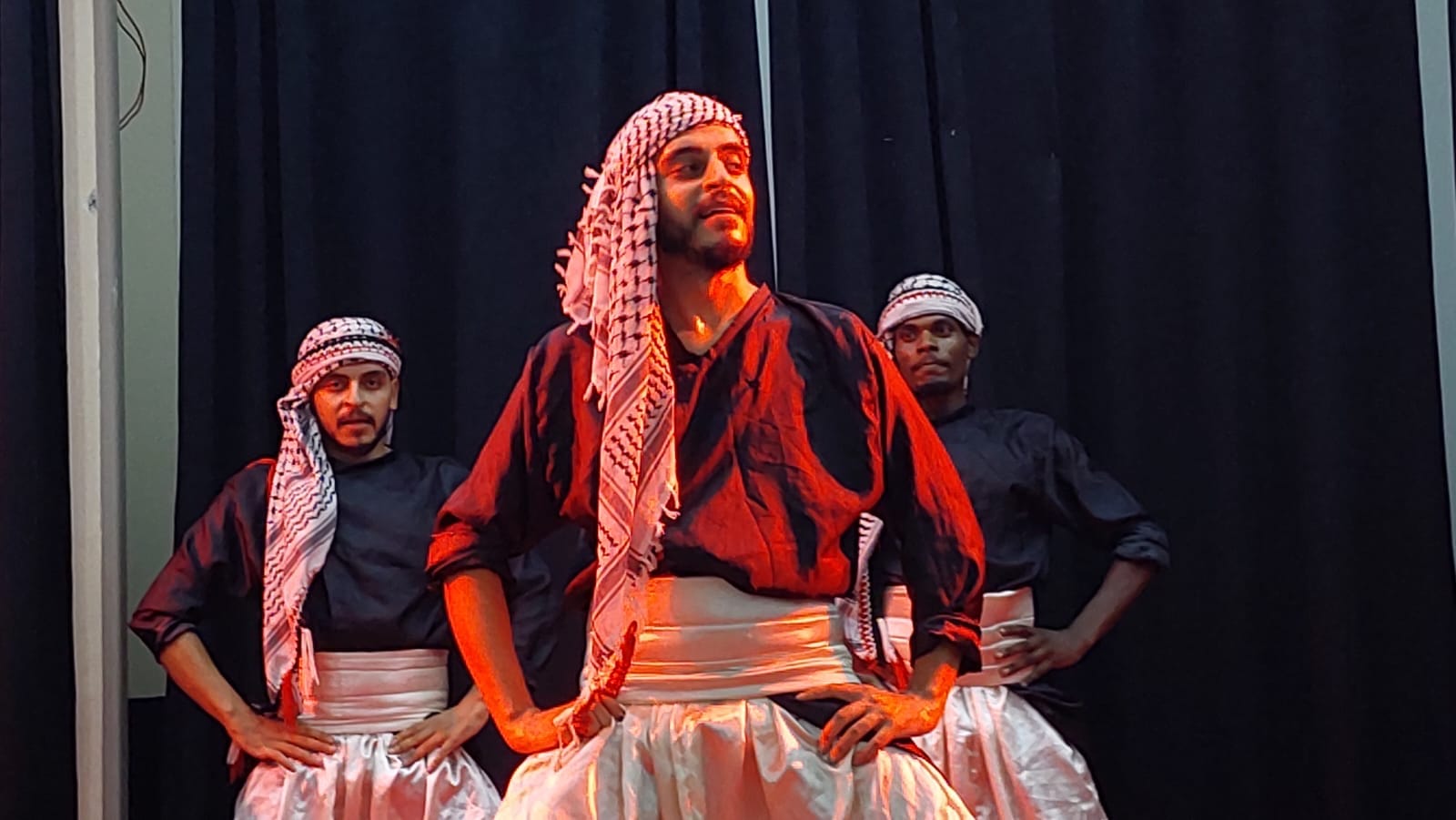
I felt this connection deeply when I recently watched a video of my friend Emily Writes’ son, Eddie, performing his indigenous dance with his group. Though our languages differ, the language of the body is universal. As I watched him move, I felt the echoes of my own heritage; his movements resonated with a familiar power, they were incredibly like our Palestinian "FOLKLORE DANCE" called Dabke.
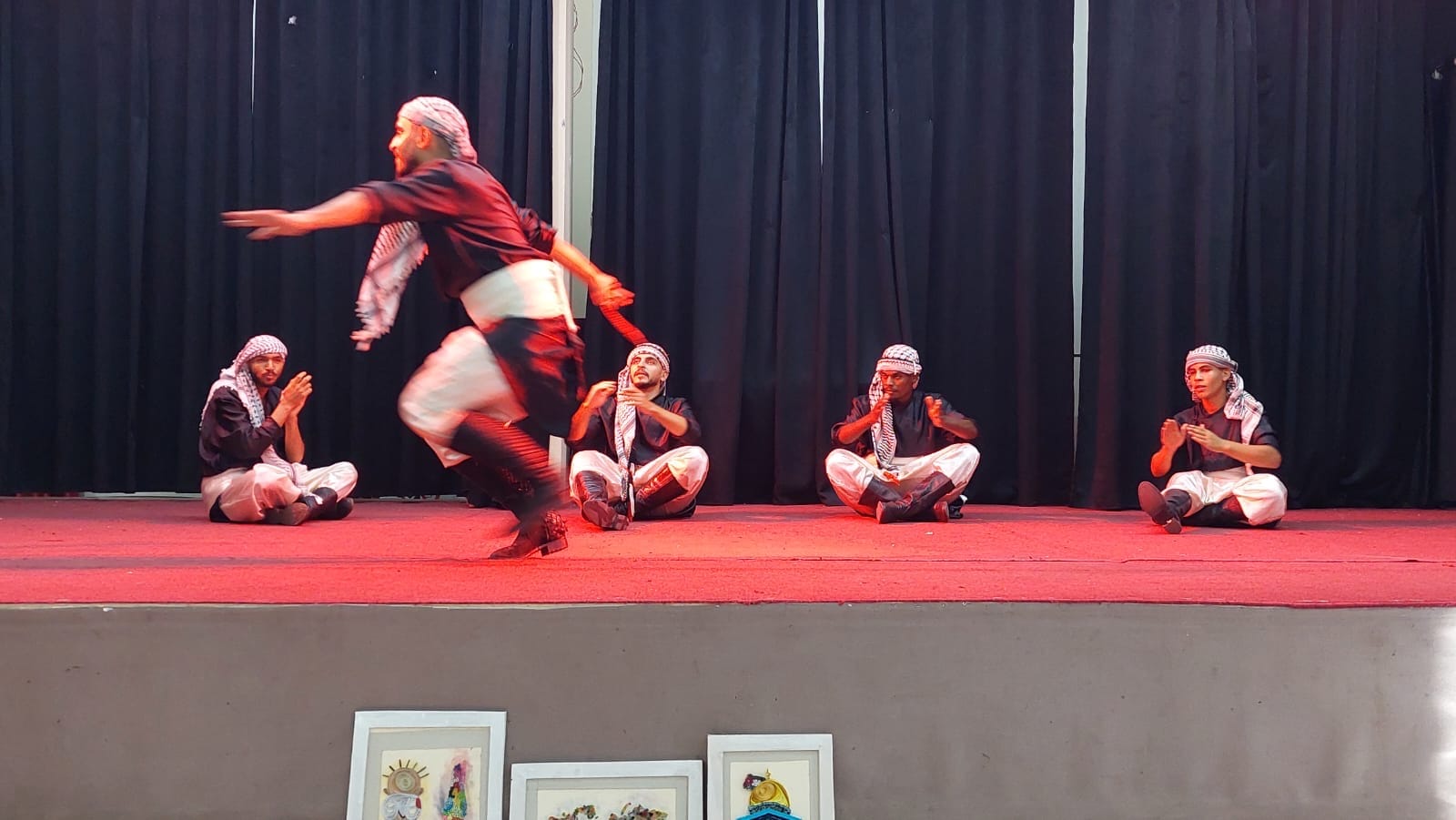
When my dear friend Emily Writes showed me her son's video and asked me if his dance resembles our folklore, I answered her: Yes, Emily, you are absolutely right.
It is very much like our Dabke in spirit; it is a dance rooted in the soil, in identity, and in a shared rhythm that flows through the collective memory of a people who refuse to be erased. There is something majestically powerful about indigenous dances across the globe: they carry history not in books, but in the very sinews of the body.
This connection is not merely artistic; it is deeply political and historical. The Māori people stand strong with Palestinians because their land, too, was stolen by colonisers.
This shared trauma of colonisation has birthed a shared language of resistance. In Aotearoa, there are many Haka (dances) and Waiata (songs) dedicated to this bond. They sing "Mai i te awa ki temoana", from the river to the sea, for Paratīnia, the Māori name for Palestine.
The agony shared between the Māori, the indigenous soul of Aotearoa, and the Palestinians, the indigenous heartbeat of a land now renamed Israel, is a single, echoing cry of resistance.
Both peoples have endured the relentless machinery of colonisation, a system designed to systematically erase the culture, language, and presence of those who first belonged to the soil. Through unjust laws, land theft, and forced displacement, the coloniser seeks to overwrite the history of the original inhabitants. Yet, the profound authenticity of both Māori and Palestinian cultures remains an immovable fortress.
Despite the shadows cast by modern colonial powers, our traditions, our songs, and our names for the land endure forever, standing as a defiant testament that the roots of the indigenous are far deeper than any empire’s reach.
Whether it is a Māori Waiata or a Palestinian folk tune, these melodies are often sorrowful, mourning the loss of a homeland, yet they are infused with an unbreakable defiance. Every stomp of the foot upon the earth is a declaration. Whether it is the indigenous dance of Eddie’s people or the Dabke of the Palestinian plains, the message remains the same: "This land knows us, and we know this land."
It is this very bond, the sacred tie between a people and their soil, that lies at the heart of Palestinian Land Day.
Within the vast expanse of human history, Land Day emerges as a definitive landmark. After fifty years, it remains a profound emotional and political state that distils the essence of the conflict between historical right and colonial hegemony.
In our national creed, the land is not merely a geographic space; it is the identity that shapes our consciousness. It stands firm against the colonial-imperialist projects of erasure and displacement that have persisted since the earliest days of the settler enterprise.
As we contemplate Land Day on its fiftieth anniversary, we see an epic of human will, a will that refuses to bow to brute force. It reaffirms that justice does not wither, and that the spark ignited on March 30, 1976, continues to illuminate the path for successive generations. That uprising was a living embodiment of a unified destiny, a roar against the policies of confiscation that sought to uproot us from our ancestral roots.
Land Day remains an immortal icon. It stands as a testament for the free people of the world, from the valleys of Palestine to the shores of Aotearoa, to the grandeur of a spirit that cannot be broken. Standing tall like the mountains of Galilee and the ancient olive trees of the West Bank, we declare: "Here we remain."
For a right sustained by the rhythm of a dance, the melody of a Waiata, and fifty years of unyielding will shall never be lost. No matter how long the night of occupation endures, the dawn of freedom and national dignity will surely break.