Everything is f**ked, everybody sucks

Five ways to cope with climate anxiety.
Many of us have seen, and are still seeing, horrifying footage from Nepal of the deadly floodwaters. Thousands are missing; the economic cost is more than $5 billion; the human cost will likely never be fully known. This is climate change.
It's heartbreaking that the countries that contribute the least to climate change are often the most impacted.
We're also seeing the impacts here in Aotearoa as we're told to brace for a 'Godzilla' El Niño.
In the words of an ancient philosopher: Everything is f**ked, everybody sucks.
It's devastating and overwhelming. If you're feeling devastated and overwhelmed, that's a very human response.
We should feel horrified by all of this.
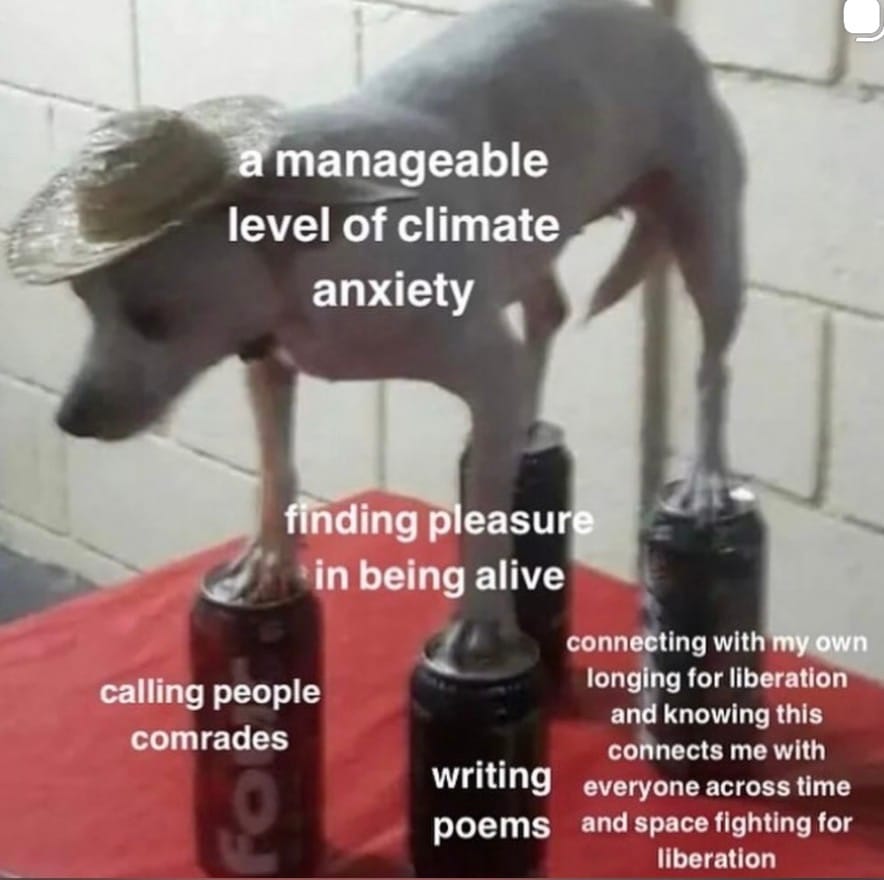
And when life generally f**king sucks, eco-or climate-anxiety can feel incapacitating. So here is my contribution to the void.
Five things smarter people than I suggest we do to combat our climate anxiety.
You can't change the world, but doing something helps
Unfortunately, we are simply not mobilised enough to have a revolution right now and guillotine all the oligarchs and dismantle capitalism. Instead, you should see what you can do - no matter how small - to make a difference.
Think about what you can control. Try not to be consumed by what you can't control. Weirdly, your local council will often have great ideas for how you can join some neighbourhood mahi for the environment.
Like in Te Whanganui-a-Tara:
- Help out at the Kaicycle urban farm on Saturdays, volunteer at Kaibosh food rescue or volunteer at one of Wellington’s community gardens.
- Volunteer outdoors with the Council or at Zealandia or help out with Predator free Wellington. Check out more information on the Sustainable Living NZ website.
Sign these f*cking petitions even though they will probably be ignored by this stupid f*cking government.

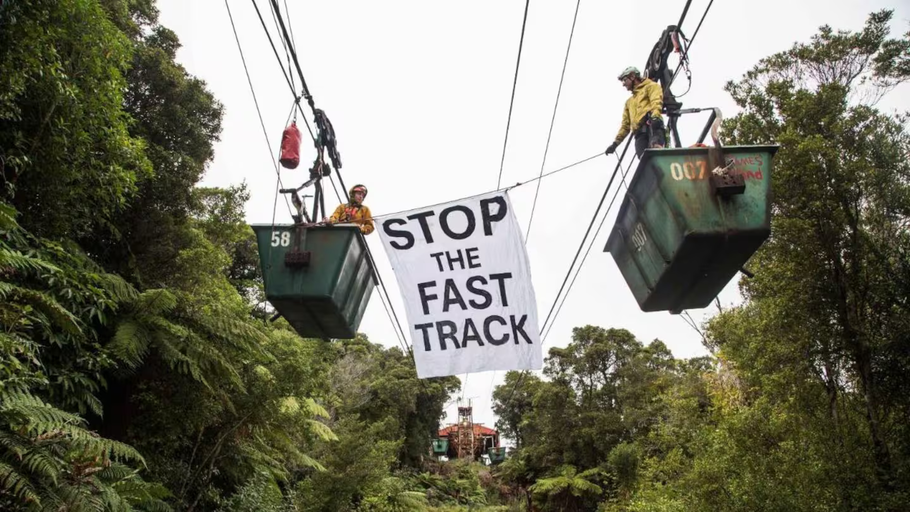

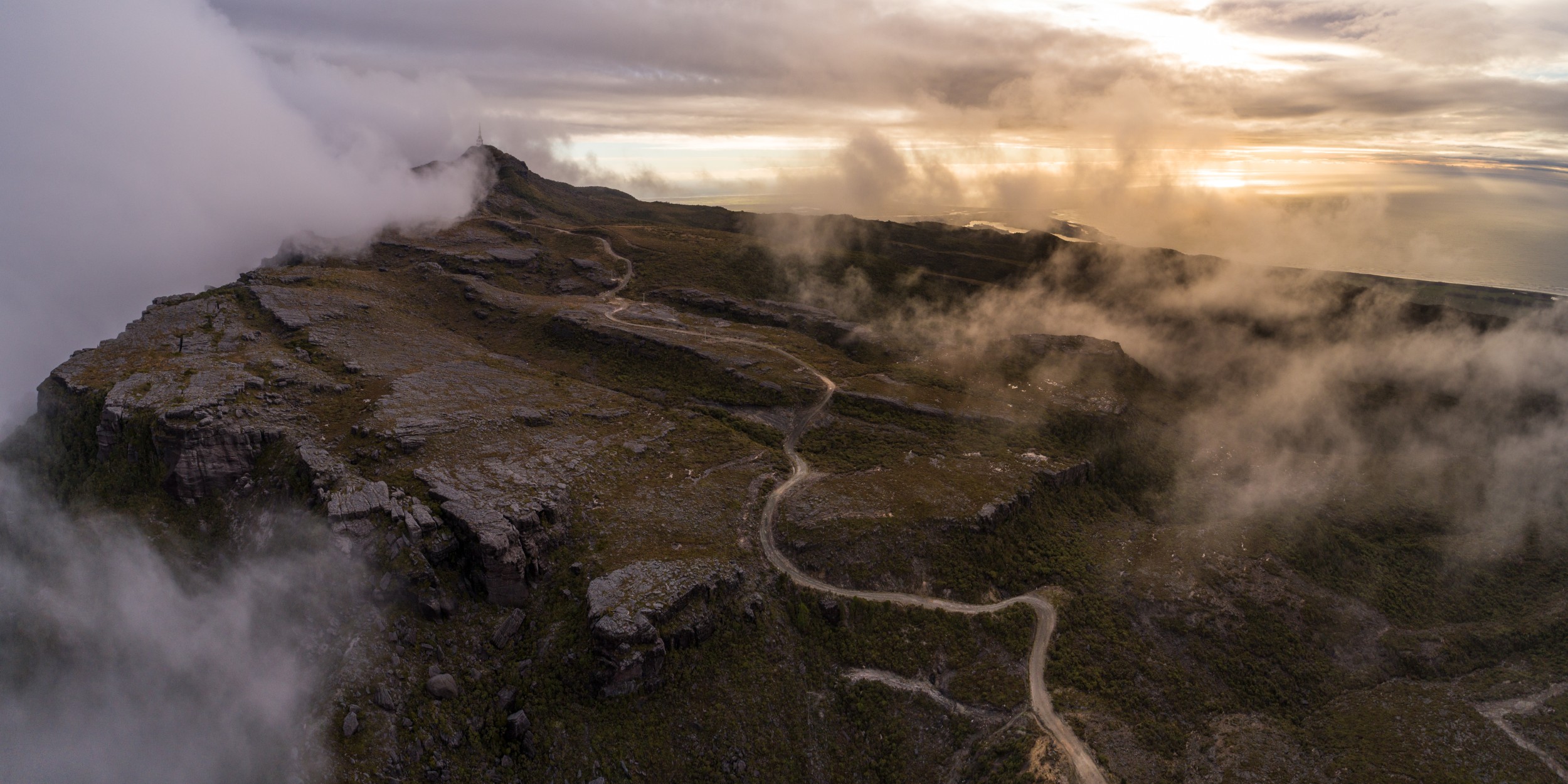
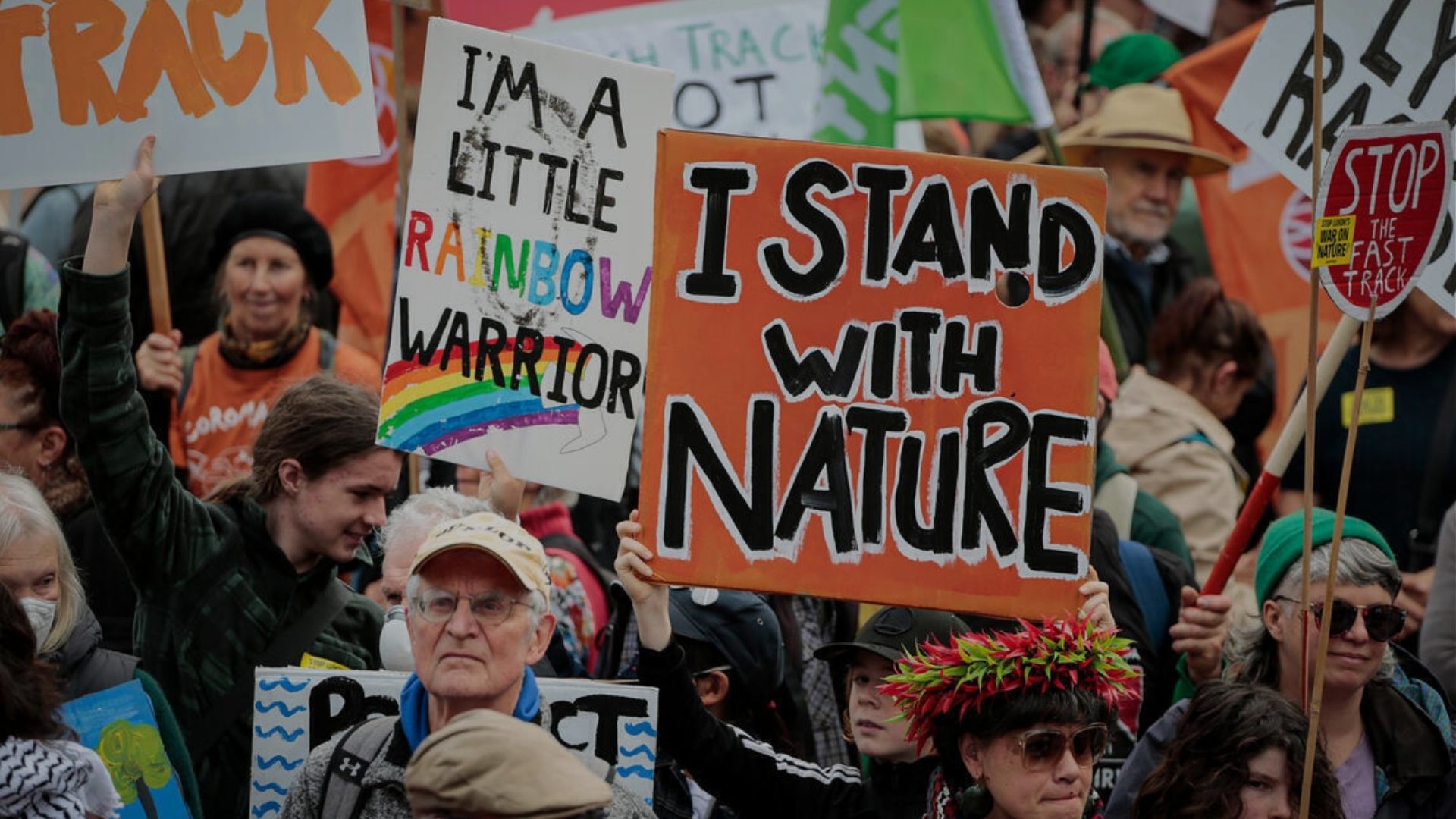
March in this f**king protest for nature so you can be reminded not everyone is a selfish ignorant asshole.

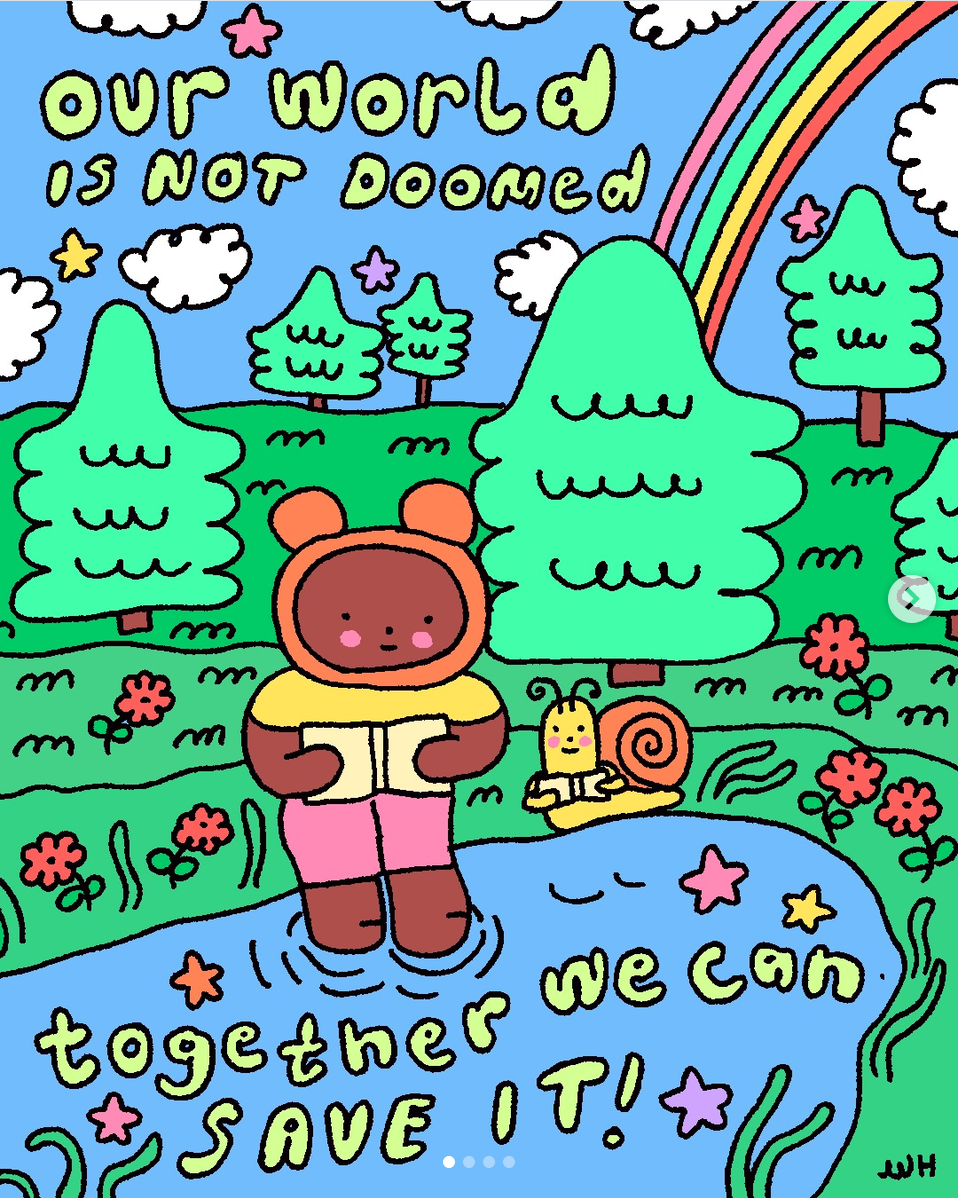
Feel your f#cking feelings even when they f%cking hurt
Feelings are horrible. Why would anyone want them? Anyway, feeling grief is important.
Of course we're grieving; we are watching our beautiful planet being destroyed. In the words of the researcher Panu Pihkala:
If grief is not recognised, it can manifest itself as anxiety. There are many kinds of anxiety, but a key factor in practically all of them is a feeling of uncertainty. When we experience anxiety, we know something of a threat or a problem, but not everything. Anxiety is borne of encountering problematic uncertainty.
 Panu Pihkala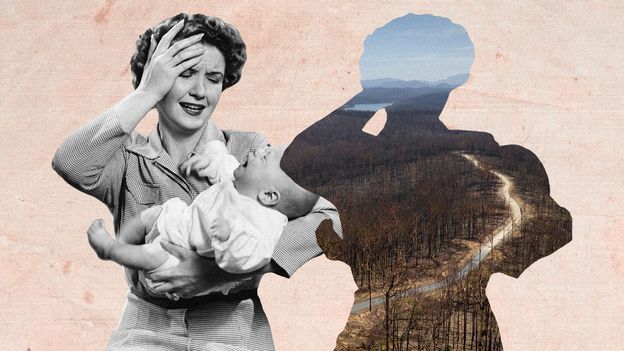
- Acknowledge that you're grieving
- Know there's no right or wrong way to grieve
- Turn to the people who love you and let them look after you
- Share your feelings
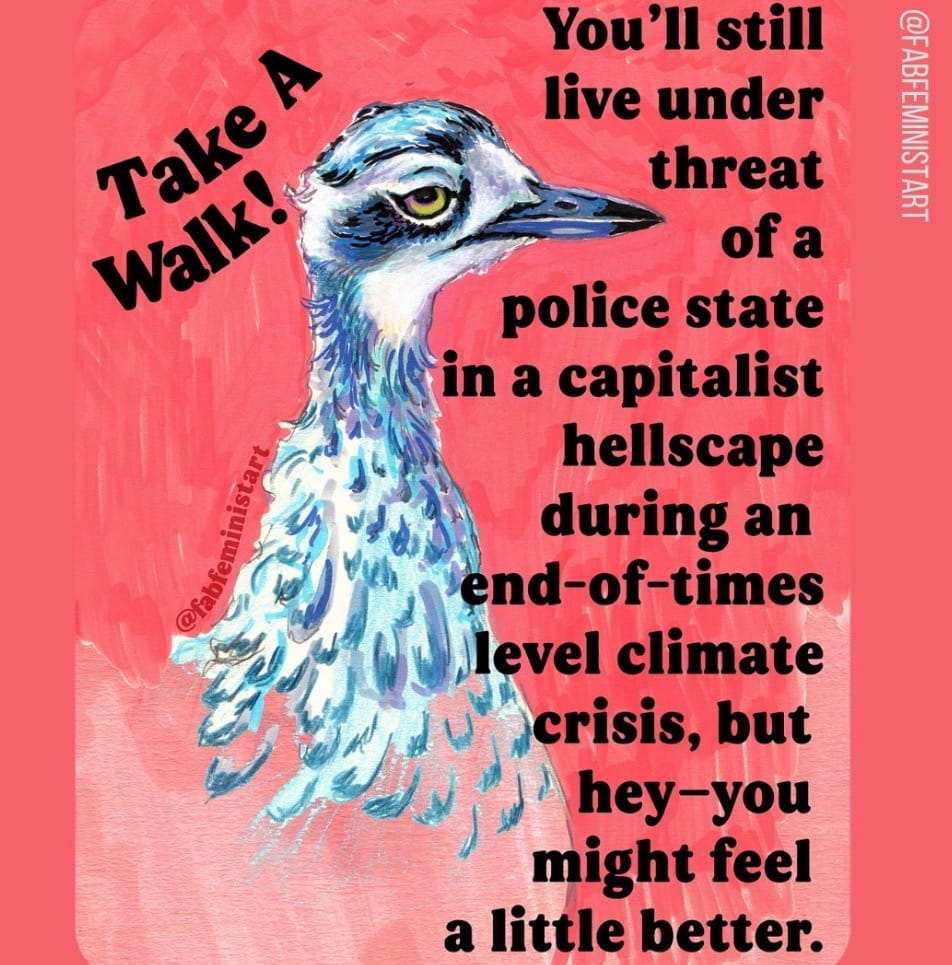
- Take care of yourself - unfortunately, that means going on a f*cking walk and looking at the f@cking ocean
If that fails, there's actually a great free micro-course you can do: Steady in Uncertain Times
 Emily Writes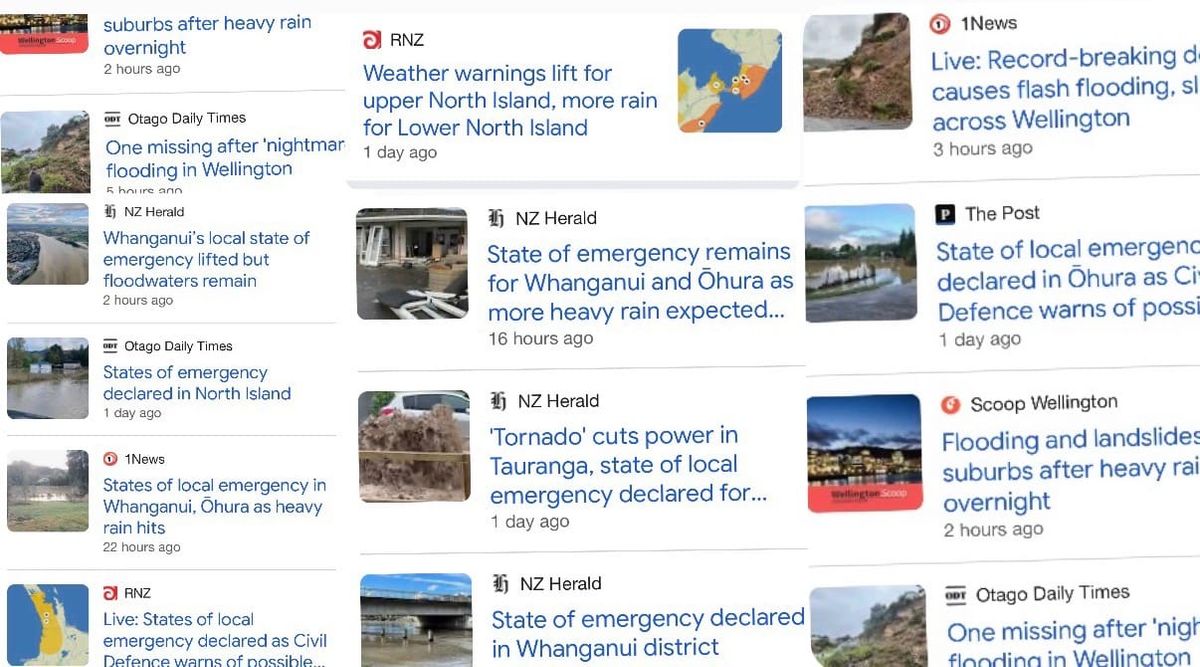
Don't doomscroll and obsessively read the news
Now, trust me, I'm not being one of those assholes who thinks you should protect your mental health by ignoring genocides and climate change. But if you're just consuming news and it's making you feel so awful and hopeless then stop.
- Take breaks - use an app that limits your time on social media and news sites (I don't do this, but do as I say, not as I do).
- Remove notifications from your phone - you don't need them.
- Stay in touch with how your body and mind feels when you are reading the news or scrolling - stop when you know it's hitting you.
 Emily Writes
Build community, get to know your neighbours
This won't just help you with your climate grief and anxiety - it is a way we can all actively work towards looking after each other in the face of climate change.
We need to be ready to help each other when we face climate-related disasters. And we need to see how we're all connected to each other to really understand how climate change harms us all.
Community resilience to climate change doesn't have to be intense or full-on or time-consuming.
- Meet your neighbours. Work out a disaster safety plan that makes sense for where you live.
- Join your local residents association or ask the library what local groups there are to be part of.
- Host a catch-up, gathering, or event you'd want to go to. A playgroup, a cult movie club, a listening party, a knitting circle, a disco in the dark...anything that brings people together.
 Emily Writes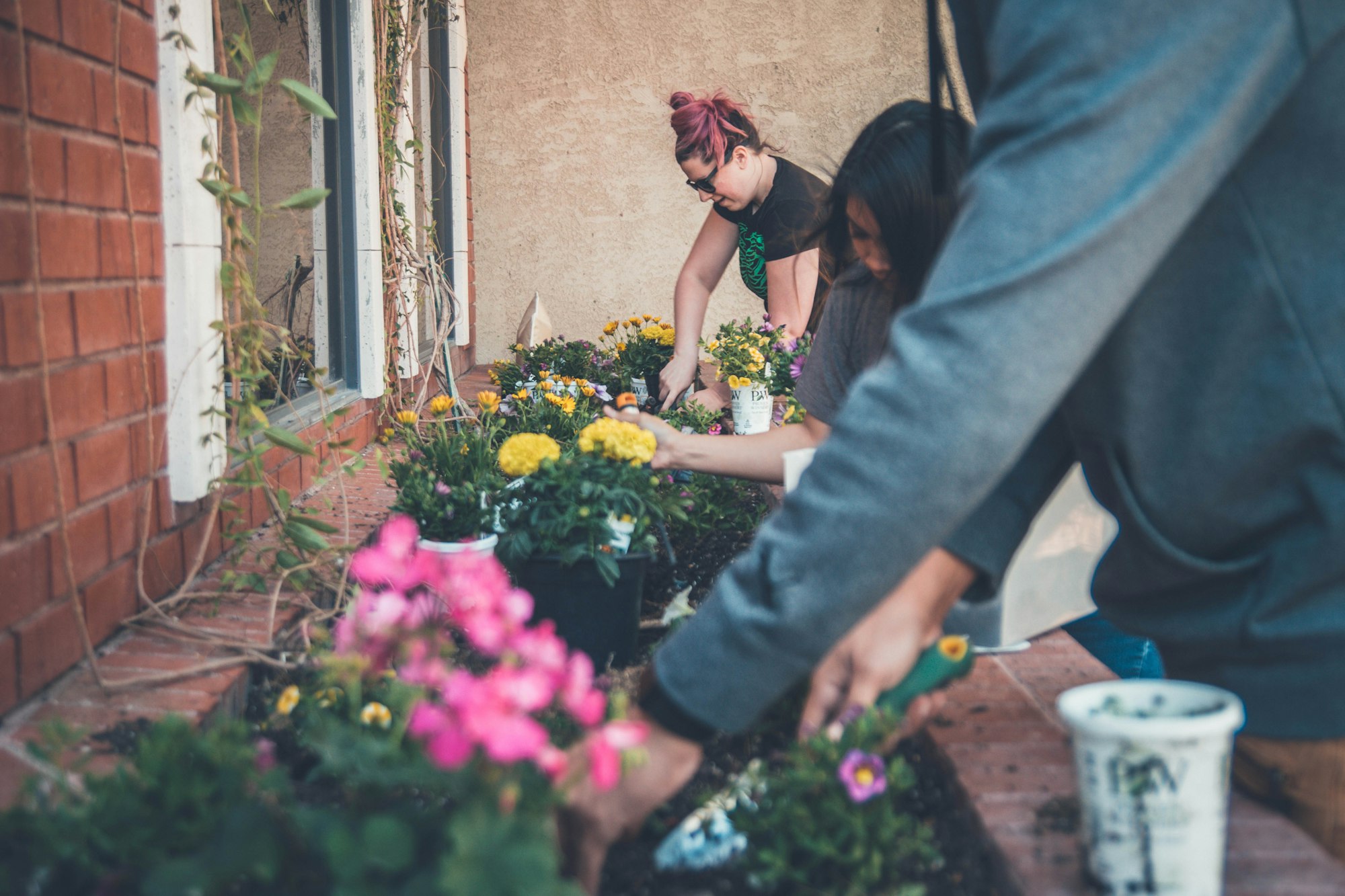
Don’t give up
Maybe this is the hardest one to do. When I’m really sad I wonder if there’s any point to anything. Then I look at my kids. And I look at the people I love. And I look at their kids. And I look at the people they love and I remember that the world might not always be a kind or easy place to live in, but there are so many good people here. Those people are worth fighting for.
I want a world where my kids can swim in rivers, where they can climb mountains. I want to feel the sun coming through the window, I want to feel the rain and I want to be grateful not afraid.
There’s too many people I love, and too many people too love, to ever give up. No matter how hard it is, no matter how much it hurts, no matter how overwhelming it is - we can’t give up on each other.
It’s never too late.